

In the fast-paced world of aviation, the fuel that powers aircraft is a crucial component in ensuring safety, efficiency, and performance. At Tarlan Petroleum Refinery, we understand the unique demands of the aviation industry and are committed to providing high-quality jet fuel that meets the rigorous standards required for flight operations. In this blog post, we will explore the different types of jet fuel, the refining process, and how Tarlan supports the aviation sector.
Understanding Jet Fuel Types
Jet fuel is primarily categorized into two main types: Jet A and Jet A-1. Both fuels are kerosene-based and share similar properties, but they differ in specific characteristics that affect their usage.
- Jet A
- Best For: Domestic flights in the United States.
- Characteristics: Jet A has a higher freezing point (-40°C) than Jet A-1, making it suitable for warmer climates. It is the standard jet fuel used by most airlines operating in the U.S.
- Benefits: Widely available and suitable for a variety of aircraft, Jet A is a reliable choice for domestic operations.
- Jet A-1
- Best For: International flights and higher altitude operations.
- Characteristics: Jet A-1 has a lower freezing point (-47°C), which makes it ideal for use in colder climates and at higher altitudes. It is the standard jet fuel used globally and is favored by international airlines.
- Benefits: Jet A-1’s lower freezing point allows for safe operations in extreme conditions, making it essential for long-haul flights.
The Refining Process
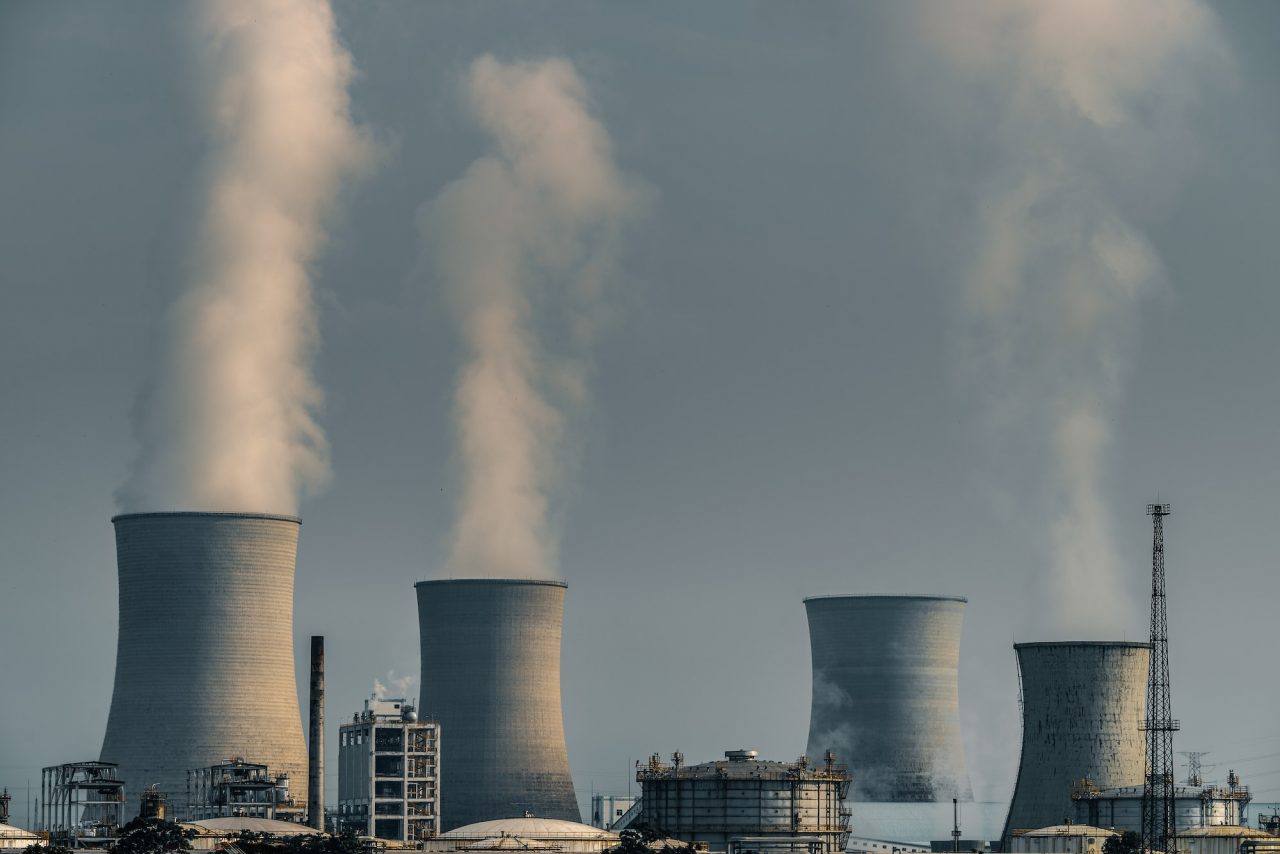
At Tarlan Petroleum Refinery, our jet fuel is produced through a sophisticated refining process that ensures purity, stability, and performance. Here’s a brief overview of the key steps involved:
- Crude Oil Distillation
The refining process begins with the distillation of crude oil, where it is heated and separated into various components based on their boiling points. Jet fuel is derived from the middle distillate fractions. - Hydroprocessing
To enhance the quality of jet fuel, hydroprocessing techniques are employed. This process removes impurities, such as sulfur and nitrogen compounds, resulting in a cleaner and more efficient fuel. - Blending and Additives
After hydroprocessing, different jet fuel streams may be blended to achieve the desired specifications. Additives are also included to improve performance, stability, and safety, such as anti-icing agents and antioxidants. - Quality Control
Stringent quality control measures are implemented throughout the refining process. Each batch of jet fuel undergoes extensive testing to ensure it meets or exceeds industry standards, including specifications set by the American Society for Testing and Materials (ASTM).
Supporting the Aviation Industry
At Tarlan Petroleum, we are proud to support the aviation industry with our commitment to quality and reliability. Here’s how we contribute to this vital sector:
- Reliable Supply
We maintain a robust distribution network to ensure timely deliveries of jet fuel to airports and aviation facilities across the nation. Our logistics expertise allows us to meet the dynamic needs of airlines and operators. - Competitive Pricing
We understand that fuel costs significantly impact airline operations. By optimizing our refining processes and strategic sourcing, we offer competitive pricing on our jet fuel without compromising quality. - Environmental Responsibility
The aviation industry is under increasing pressure to reduce its carbon footprint. Tarlan Petroleum is committed to sustainability, investing in advanced refining technologies and exploring alternative fuel options that align with the industry’s environmental goals. - Customer Support
Our dedicated team works closely with aviation customers to provide tailored solutions that meet their unique fuel requirements. Whether it’s technical support, delivery logistics, or product information, we are here to assist every step of the way.
Conclusion
Jet fuel is the lifeblood of the aviation industry, and at Tarlan Petroleum Refinery, we are dedicated to providing high-quality, reliable fuel solutions that meet the stringent demands of aviation. From the refining process to customer support, our commitment to excellence ensures that our jet fuel powers aircraft safely and efficiently. As the aviation industry continues to evolve, Tarlan remains at the forefront, ready to support the future of flight. If you have any questions about our jet fuel products or services, feel free to contact us today!